 الدورة الإقتصادية الدورة الإقتصادية

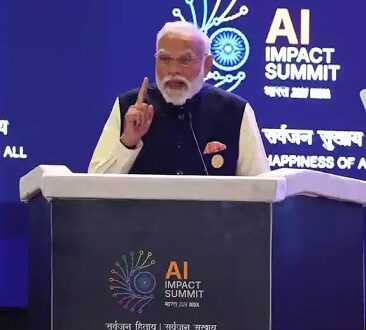
في لحظة فارقة من تاريخ البشرية، اجتمع العالم في قمة تأثير الذكاء الاصطناعي 2026 في نيودلهي. بالنسبة لنا في الهند، كانت لحظة فخر وسعادة غامرة أن نستقبل رؤساء الدول ورؤساء الحكومات والمندوبين والمبتكرين من مختلف أنحاء العالم.
تضفي الهند نطاقًا واسعًا وحيوية على كل ما تقوم به، ولم تكن هذه القمة استثناءً. فقد اجتمع ممثلو أكثر من 100 دولة. واستعرض المبتكرون أحدث منتجات وخدمات الذكاء الاصطناعي. وكان آلاف الشباب يجوبون قاعات المعرض، يطرحون الأسئلة ويتخيلون الإمكانات المستقبلية. لقد جعل فضولهم هذه القمة الأكبر والأكثر ديمقراطية في مجال الذكاء الاصطناعي على مستوى العالم. وأرى في ذلك محطة مهمة في مسيرة تطور الهند، إذ إن حركة جماهيرية حقيقية للابتكار واعتماد الذكاء الاصطناعي قد انطلقت بالفعل.
شهد تاريخ البشرية تحولات تكنولوجية عديدة غيّرت مسار الحضارة. وينتمي الذكاء الاصطناعي إلى الفئة نفسها التي تضم النار والكتابة والكهرباء والإنترنت. غير أنه مع الذكاء الاصطناعي، يمكن للتغيرات التي كانت تستغرق عقودًا أن تتكشف خلال أسابيع قليلة، وأن تؤثر في الكوكب بأسره.
إن الذكاء الاصطناعي يجعل الآلات أكثر ذكاءً، لكنه قبل كل شيء مضاعِف لقوة النية البشرية. ومن الضروري جعل الذكاء الاصطناعي متمحورًا حول الإنسان بدلًا من أن يكون متمحورًا حول الآلة. في هذه القمة، وضعنا رفاه الإنسان في صميم الحوار العالمي حول الذكاء الاصطناعي، مسترشدين بمبدأ “سارفاجانا هيتايا، سارفاجانا سوخايا” (رفاه للجميع، وسعادة للجميع).
كنت دائمًا أؤمن بأن التكنولوجيا يجب أن تخدم الإنسان، لا العكس. سواء تعلق الأمر بالمدفوعات الرقمية عبر نظام UPI أو حملات التطعيم ضد كوفيد، فقد حرصنا أن تصل البنية التحتية الرقمية العامة إلى الجميع دون استثناء. وقد لمست الروح نفسها في القمة، وفي أعمال مبتكرينا في مجالات مثل الزراعة والأمن ودعم ذوي الإعاقة (Divyangjan)وتطوير أدوات تخدم المجتمعات متعددة اللغات.
هناك بالفعل أمثلة على الإمكانات التمكينية للذكاء الاصطناعي في الهند. فقد أطلِقت مؤخرًا “سارلابِن”، وهي مساعدة رقمية مدعومة بالذكاء الاصطناعي، أنشأتها التعاونية الهندية لمنتجات الألبان AMUL لتقديم إرشادات فورية إلى 3.6 مليون مزارع ألبان، معظمهم من النساء حول صحة الماشية وإنتاجيتها بلغاتهم المحلية. كذلك توفّر منصة قائمة على الذكاء الاصطناعي تُدعى “بهارات فيستار” فقرات متعددة اللغات للمزارعين، تمكّنهم من الحصول على معلومات تتراوح بين أحوال الطقس وأسعار الأسواق.
ويجب على البشر ألا يصبحوا مجرد نقاط بيانات أو مواد خام للآلات. بدلاً من ذلك، يجب أن يصبح الذكاء الاصطناعي أداة للخير العالمي، تفتح أبوابًا جديدة للتقدم للجنوب العالمي. لترجمة هذه الرؤية إلى عمل، قدمت الهند إطار عمل “ماناف” لحوكمة الذكاء الاصطناعي المتمحور حول الإنسان.
م – الأنظمة الأخلاقية: يجب أن يكون الذكاء الاصطناعي مبنيًا على إرشادات أخلاقية
أ – الحوكمة المسؤولة: قوانين شفافة ورقابة قوية
ن – السيادة الوطنية: احترام الحقوق الوطنية المتعلقة بالبيانات
أ – الإتاحة والشمولية: يجب ألا يكون الذكاء الاصطناعي احتكارًا
ف – الصلاحية والشرعية: يجب أن يلتزم الذكاء الاصطناعي بالقوانين ويكون قابلًا للتحقق
يقدم “ماناف”، الذي يعني “الإنسان”، مبادئ ترسخ الذكاء الاصطناعي في القيم الإنسانية في القرن الحادي والعشرين
الثقة هي الأساس الذي يرتكز عليه مستقبل الذكاء الاصطناعي. مع إغداق الأنظمة العالم بالمحتوى، تواجه المجتمعات الديمقراطية مخاطرالتزييف العميق والمعلومات المضللة. تمامًا كما يحمل الطعام ملصقات غذائية، يجب أن يحمل المحتوى الرقمي ملصقات أصالة. أدعو المجتمع الدولي للالتقاء لإنشاء معايير مشتركة لتحديد مصدر المحتوى والتحقق منه. وقد اتخذت الهند بالفعل خطوة في هذا الاتجاه من خلال فرض القانون لوسم المحتوى الذي يتم إنشاؤه صناعيًا بوضوح.
رفاهية أطفالنا هي مسألة قريبة إلى قلوبنا. يجب بناء أنظمة الذكاء الاصطناعي مع تدابير أمان تشجع على المشاركة المسؤولة والموجهة أسريًا، تعكس نفس العناية التي نوليها لأنظمة التعليم في جميع أنحاء العالم.
تقدم التكنولوجيا فائدتها الأكبرعندما يتم مشاركتها، بدلاً من الاحتفاظ بها كأساس استراتيجي. يمكن للمنصات المفتوحة أن تساعد ملايين الشباب على المساهمة في جعل التكنولوجيا أكثر أمانًا وتركيزًا على الإنسان. هذا الذكاء الجماعي هو أكبر قوة للبشرية. يجب أن يتطور الذكاء الاصطناعي كخير مشترك عالمي.
نحن ندخل عصرًا حيث سيتعاون البشر والأنظمة الذكية معًا في الإبداع والعمل والتطورالمشتركَين. ستظهر مهن جديدة بالكامل. وعندما بدأ الإنترنت، لم يكن أحد يتخيل الإمكانيات. في النهاية، خلق الإنترنت عددًا كبيرًا من الفرص الجديدة وكذلك سيفعل الذكاء الاصطناعي.
أنا واثق من أن شبابنا المتفوقين سيكونون المحركين الحقيقيين لعصر الذكاء الاصطناعي. نحن نشجع على التدريب وإعادة التدريب والتعلم مدى الحياة من خلال إدارة بعض من أكبر وأهم برامج التدريب في العالم.
الهند هي موطن لواحد من أكبر السكان الشباب في العالم والمواهب التكنولوجية. مع طاقتنا وقدرتنا على السياسات الواضحة، نحن في وضع فريد للاستفادة من الإمكانات الكاملة للذكاء الاصطناعي. وفي هذه القمة، كنت فخورًا برؤية الشركات الهندية تطلق نماذج وتطبيقات الذكاء الاصطناعي المحلية، ما يعكس عمق الابتكار التكنولوجي لمجتمعنا الشاب.
ومن أجل دعم نمو نظامنا البيئي بالذكاء الاصطناعي، نبني أساسًا قويًا للبنية التحتية. ومن ضمن مهمة الذكاء الاصطناعي في الهند، نشرنا الآلاف من وحدات معالجة الرسومات ونحن على استعداد لنشر المزيد قريباً. ومن خلال الوصول إلى قوة حوسبة عالمية بمعدلات ميسورة التكلفة، يمكن حتى لأصغر الشركات الناشئة أن تصبح ذات مكانة عالمية. علاوة على ذلك، أنشأنا مستودعًا وطنيًا للذكاء الاصطناعي، ما يتيح الوصول الديمقراطي إلى مجموعات البيانات ونماذج الذكاء الاصطناعي. من أشباه الموصلات وقاعدة البيانات إلى الشركات الناشئة المبدعة والبحث التطبيقي، نحن نركز على سلسلة كاملة قيّمة.
يمثّل تنوع الهند وديمقراطيتها وديناميكيتها السكانية البيئة المثلى للابتكار الشامل. الحلول التي تنجح في الهند يمكن أن تخدم الإنسانية في كل مكان. لذلك، فإن دعوتنا للعالم هي: صمّم وطوِّر في الهند. قدِّم للعالم. قدِّم للإنسانية.
ناريندرا مودي
رئيس وزراء الهند
Shaping a Human-Centric Future for AI – AI Impact Summit 2026
At a defining moment in human history, the world gathered at the AI Impact Summit 2026 in New Delhi. For us in India, it was a moment of immense pride and joy to welcome Heads of State, Heads of Government, delegates and innovators from across the world.
India brings scale and energy to everything it does and this Summit was no exception. Representatives from over 100 nations came together. Innovators showcased cutting-edge AI products and services. Thousands of young people could be seen in the exhibition halls, asking questions and imagining possibilities. Their curiosity made this the largest and most democratised AI summit in the world. I see this as an important moment in India’s development journey, because a mass movement for AI innovation and adoption has truly taken off.
Human history has witnessed many technological shifts that changed the course of civilisation. Artificial Intelligence belongs in the same league as fire, writing, electricity and the internet. But with AI, changes that once took decades can unfold within weeks and impact the entire planet.
AI is making machines intelligent, but it is even more a force multiplier for human intent. Making AI human-centric instead of machine-centric is vital. At this Summit, we placed human well-being at the heart of the global AI conversation, with the principle of ‘Sarvajana Hitaya, Sarvajana Sukhaya’ (Welfare for All, Happiness of All).
I have always believed that technology must serve people, not the other way around. Whether it is digital payments through UPI or COVID vaccination, we have ensured that Digital Public Infrastructure reaches everyone, leaving none behind. I could see the same spirit in the Summit, in the work of our innovators in domains like agriculture, security, assistance for Divyangjan and tools for multilingual populations.
There are already examples of the empowering potential of AI in India. Recently, ‘Sarlaben’, an AI powered digital assistant launched by Indian dairy cooperative AMUL, is providing real-time guidance to 3.6 million dairy farmers, mostly women, about cattle health and productivity in their own language. Similarly, an AI-based platform called Bharat VISTAAR gives multilingual inputs to farmers, empowering them with information about everything from weather to market prices.
Humans must never become mere data points or raw material for machines. Instead, AI must become a tool for global good, opening new doors of progress for the Global South. To translate this vision into action, India presented the MANAV framework for human-centric AI governance.
M – Moral and Ethical Systems: AI should be based on ethical guidelines.
A – Accountable Governance: Transparent rules and robust oversight.
N – National Sovereignty: Respect for national rights over data.
A – Accessible and Inclusive: AI should not be a monopoly.
V – Valid and Legitimate: AI must adhere to laws and be verifiable.
MANAV, which means ‘human’, offers principles that anchor AI in human values in the 21st century.
Trust is the foundation upon which AI’s future rests. As generative systems flood the world with content, democratic societies face risks from deepfakes and disinformation. Just as food carries nutrition labels, digital content must carry authenticity labels. I urge the global community to come together to create shared standards for watermarking and source verification. India has already taken a step in this direction by legally requiring clear labelling of synthetically generated content.
The welfare of our children is a matter close to our hearts. AI systems must be built with safeguards that encourage responsible, family-guided engagement, reflecting the same care we bring to education systems worldwide.
Technology yields its greatest benefit when shared, rather than guarded as a strategic asset. Open platforms can help millions of youth contribute to making technology safer and more human-centric. This collective intelligence is humanity’s greatest strength. AI must evolve as a global common good.
We are entering an era where humans and intelligent systems will co- create, co-work and co-evolve. Entirely new professions will emerge. When the internet began, no one could imagine the possibilities. It ended up creating a huge number of new opportunities and so will AI.
I am confident that our empowered youth will be the true drivers of the AI age. We are encouraging skilling, reskilling and lifelong learning by running some of the largest and most diverse skilling programmes in the world.
India is home to one of the world’s largest youth populations and technology talent. With our energy capacity and policy clarity, we are uniquely positioned to harness AI’s full potential. At this Summit, I was proud to see Indian companies launch indigenous AI models and applications, reflecting the technological depth of our young innovation community.
To fuel the growth of our AI ecosystem, we are building a robust infrastructure foundation. Under the India AI Mission, we have deployed thousands of GPUs and are set to deploy more soon. By accessing world- class computing power at highly affordable rates, even the smallest startups can become global players. Further, we have established a national AI Repository, democratising access to datasets and AI models. From semiconductors and data infrastructure to vibrant startups and applied research, we are focusing on the complete value chain.
India’s diversity, democracy and demographic dynamism provide the right atmosphere for inclusive innovation. Solutions that succeed in India can serve humanity everywhere. That is why our invitation to the world is: Design and develop in India. Deliver to the world. Deliver to humanity.
Narendra Modi
Prime Minister of India