 الدورة الإقتصادية الدورة الإقتصادية

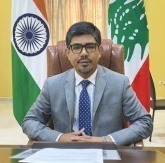
بقلم: محمد نور رحمن شيخ، سفير الهند لدى لبنان
عندما نتحدث عن التنمية، فإننا غالباً ما نتحدث بلغة الأرقام: الاستثمارات التي تم ضخها، أو البنية التحتية التي تم بناؤها، أو الأشخاص المتأثرين بها. ولكن بالنسبة للمواطن العادي، فإن التنمية أمر أكثر مباشرة. إنها تكمن في مدى فعالية الخدمة العامة، وفي قدرة الطفل على الحصول على تعليم جيد، وفي إمكانية حصول المريض على العلاج، أو في عثور الشاب على فرصة عمل أو نمو مهني.
هذا هو أحد الدروس التي تعلمتها الهند من مسيرتها التنموية الخاصة.
بالنسبة لبلد بحجم الهند وتنوعها، لا يوجد نموذج واحد يصلح للجميع. ما حاولنا القيام به هو جعل الحوكمة أكثر استجابة للجمهور والخدمات العامة أكثر سهولة في الوصول إليها. وقد ساعدتنا التكنولوجيا بشكل متزايد على تحقيق ذلك، لا سيما من خلال تقريب الخدمات من المواطنين. لقد كانت البنية التحتية الرقمية العامة في الهند، بما في ذلك أدوات الشمول المالي التي أدت إلى أكثر من 500 مليون معاملة مالية يومياً، بمثابة نقطة تحول جوهرية في مسارها التنموي.
وإدراكاً منا بأن التكنولوجيا ليست سوى وسيلة، فقد اتخذنا خطوات لضمان أن المقياس الحقيقي للحوكمة الرشيدة هو مدى قدرتها على إحداث فارق ملموس في حياة الناس.
وهذا هو أيضاً النهج الذي تتبعه الهند في التعاون التنموي الدولي. فنحن لا ننظر إليه كعلاقة نفعية يمنح فيها بلد ويتلقى آخر. بل نراه كشراكة تتبادل فيها الدول الخبرات والتجارب والموارد، في حين يختار كل بلد ما يناسب ظروفه الخاصة.
وقد كان لبنان شريكاً مهماً في هذه المسيرة. فمنذ إقامة العلاقات الدبلوماسية بين الهند ولبنان في عام 1954، ظلت السفارة الهندية في بيروت مفتوحة دائماً وعملت عن كثب مع الحكومة اللبنانية وشعبها.
ومن خلال برنامج التعاون الفني والاقتصادي الهندي (ITEC)، أتيحت للمسؤولين والمهنيين اللبنانيين فرص للتدريب في الهند وتبادل الخبرات مع نظرائهم الهنود. قد لا تتصدر هذه البرامج العناوين الرئيسية دائماً، لكنها تبني شيئاً مستداماً : المعرفة، والشبكات المهنية، والقدرات المؤسساتية. وفي كل عام، كان يتم تخصيص 75 مقعداً للبنان. ونظراً للاستجابة الهائلة والاقبال الكبير من لبنان هذا العام، فقد تم زيادة عدد المقاعد بشكل ملحوظ لتمكين المزيد من اللبنانيين – من المسؤولين الحكوميين والمهنيين في القطاع الخاص على حد سواء – من حضور برامج بناء القدرات المختلفة في مؤسسات مرموقة في الهند.
ويشمل تعاون الهند مع لبنان أيضاً مشاريع على مستوى المجتمعات المحلية والمساعدات الإنسانية. فقد دعمنا “مشاريع الأثر السريع” في مناطق عدة شملت محمية أرز الشوف، وبلدية جزين، وبلدية كترميا، ووزارات الخارجية والمغتربين، والصحة العامة، والشباب والرياضة، بالإضافة إلى بلديات مختلفة في جنوب لبنان. وتعتبر الكتيبة الهندية جزءاً من قوات اليونيفيل على مدار الـ 28 عاماً الماضية، حيث دأبت على تقديم المساعدات التنموية للسكان المحليين. وفي أعقاب انفجار مرفأ بيروت، قدمت الهند إغاثة إنسانية. وفي تشرين الأول 2024، أرسلت الهند أيضاً 33 طناً من الأدوية إلى لبنان، ويجري إرسال دفعة أخرى من الأدوية من الهند إلى لبنان. قد تكون هذه الجهود متواضعة مقارنة بالتحديات التي يواجهها لبنان، لكنها تعكس إيمان الهند بضرورة أن يستجيب التعاون التنموي للاحتياجات الحقيقية على أرض الواقع.
وثمة مبدأ هام وراء هذا النهج: إن النتيجة الأكثر قيمة للتعاون التنموي غالباً ما تكون القدرة التي يبنيها ليعود النفع على البلد وشعبه.
فالمهني المُدرَب يمكنه نقل المعرفة لغيره. والمؤسسة الأقوى يمكنها الاستمرار في خدمة المواطنين. والشاب الذي يمتلك مهارات جديدة يمكنه خلق فرص للآخرين.
ولهذا السبب تجمع شراكات الهند بين البنية التحتية والتكنولوجيا من جهة، والتدريب وبناء القدرات من جهة أخرى.
وثمة إمكانات كبيرة لتعميق هذا التعاون مع لبنان — في مجالات الرعاية الصحية، والحوكمة الرقمية، والزراعة، والطاقة المتجددة، والتعليم، والمهارات، وريادة الأعمال. وهناك الكثير مما يمكن للهند أن تشاركه، ولكن هناك أيضاً الكثير مما يمكننا تعلمه من لبنان.
إن الهند لا تعتقد أن تجربتها تقدم صيغة جاهزة للدول الأخرى. فلبنان لديه تاريخه الخاص، ومؤسساته، وأولوياته، ومستقبله يجب أن يصيغه الشعب اللبناني بنفسه.
إن دورنا يكمن في أن نكون شريكاً موثوقاً ومستداماً.
وفي نهاية المطاف، لا تقاس التنمية بعدد المشاريع المنجزة أو الاتفاقيات الموقعة. بل تقاس بمدى قدرة تلك الجهود على تحسين حياة الناس وتعزيز قدرة المؤسسات على خدمة مواطنيها.
هذه هي الروح التي تقارب بها الهند شراكاتها التنموية — مع لبنان ومع الجنوب العالمي الأوسع.
ونحن نؤمن بأن شراكة الهند التنموية مع لبنان ستعود بالنفع على الدولة وشعبها في مسيرتها نحو التعافي الاقتصادي والازدهار.
India’s Development Partnership with Lebanon: A People-Centric Approach
• By Md Noor Rahman Sheikh, Ambassador of India to Lebanon
When we talk about development, we often talk in numbers: investments made, infrastructure built, or people impacted. But for an ordinary citizen, development is much more immediate. It is whether a public service works, whether a child can access a good education, whether a patient can get treatment, or whether a young person can find an opportunity for job or professional growth.
This is one of the lessons India has learned from its own development journey.
For a country as large and diverse as India, there is no single model that fits all. What we have tried to do is make governance more responsive and public services more accessible. Technology has increasingly helped us do this, particularly by bringing services closer to citizens. India’s Digital Public Infrastructure including the financial inclusion instruments which has led to more than 500 million financial transactions everyday, has been a game-changer in it’s developmental path.
Appreciating that technology is only a means, we have taken steps to ensure the real measure of good governance is whether it makes a difference in people’s lives.
This is also how India approaches international development cooperation. We do not see it as a mere transactional relationship in which one country gives and another receives. We see it as a partnership in which countries share experience, expertise and resources, while each country chooses what is relevant to its own circumstances.
Lebanon has been an important partner in this journey. Since the establishment of diplomatic relations between India and Lebanon in 1954, Indian Embassy in Beirut has always remained opened and worked with the Lebanese government and its people closely.
Through India’s Indian Technical and Economic Cooperation programme, Lebanese officials and professionals have had opportunities to train in India and exchange experiences with their Indian counterparts. These programmes may not always attract headlines, but they build something lasting: knowledge, professional networks and institutional capacity. Every year, 75 slots have been allotted to Lebanon. However, this year, as there has been tremendous response from Lebanon, the number of slots is being enhanced considerably to enable more Lebanese- both government officials and private professionals to attend various capacity building programmes in reputed institutions in India.
India’s cooperation with Lebanon also includes community-level projects and humanitarian assistance. We have supported Quick Impact Projects in areas including the Shouf Biosphere Reserve, Jezzine Municipality, Ketermeya Municipality, Ministries of Foreign Affairs & Emigrants, Public Health, Youth & Sports and various Municipalities in South Lebanon. The Indian Battalion has been part of UNIFIL for the last 28 years and has been providing developmental assistance for the local populace. Following the Beirut port explosion, India provided humanitarian relief. In October 2024, India also sent 33 tonnes of medicines to Lebanon. Another tranche of medicines from India is also being dispatched to Lebanon. These efforts may be modest compared with the challenges Lebanon faces, but they reflect India’s belief that development cooperation should respond to real needs on the ground.
There is an important principle behind this approach: the most valuable outcome of development cooperation is often the capacity it builds to benefit the country and its people.
A trained professional can pass on knowledge. A stronger institution can continue serving citizens. A young person with new skills can create opportunities for others.
This is why India’s partnerships combine infrastructure and technology with training and capacity building.
There is considerable potential to deepen this cooperation with Lebanon—in healthcare, digital governance, agriculture, renewable energy, education, skills and entrepreneurship. There is much India can share, but there is also much we can learn from Lebanon.
India does not believe that its experience provides a ready-made formula for other countries. Lebanon has its own history, institutions and priorities, and its future must be shaped by the Lebanese people.
Our role is to be a reliable and sustainable partner.
Ultimately, development is not about the number of projects completed or agreements signed. It is about whether those efforts improve people’s lives and strengthen the ability of institutions to serve their citizens.
That is the spirit in which India approaches its development partnerships—with Lebanon and with the wider Global South.
We believe India’s development partnership with Lebanon will stand to benefit the state and its people in its path of economic recovery and prosperity.